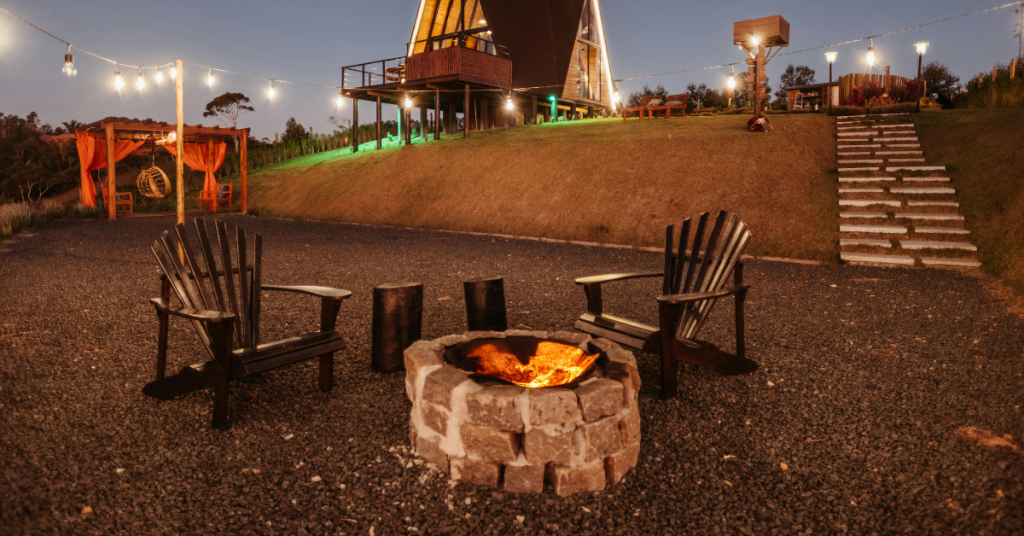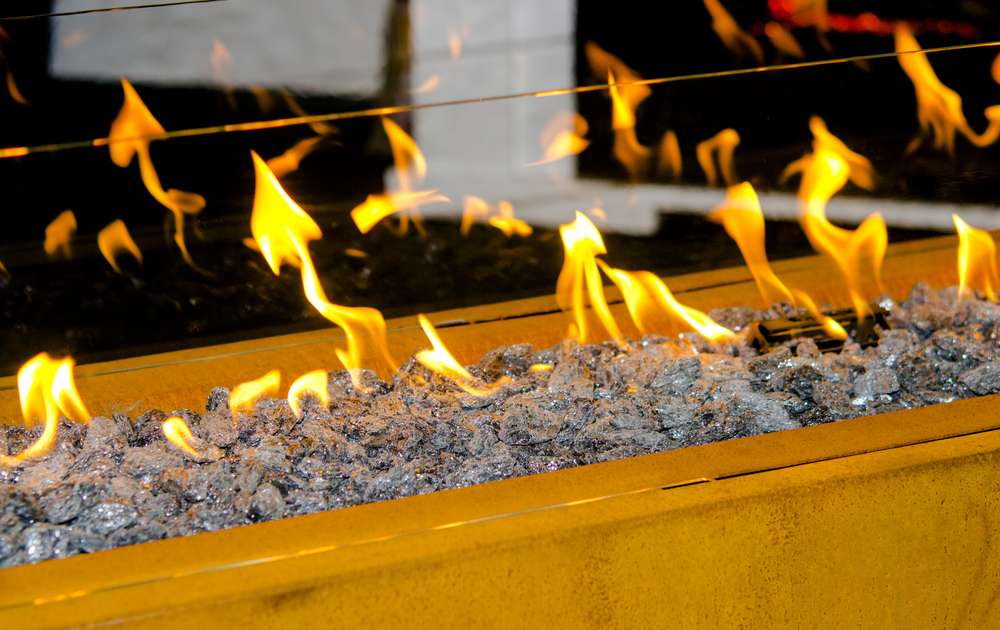
Imagine relaxing beside a flickering fire and enjoying its warmth without the hassle of logs, smoke, or a chimney. Ethanol fireplaces offer a clean, stylish, and practical alternative to traditional fireplaces. They use bioethanol fuel to create a real flame without wood smoke or soot, making them a popular choice for homeowners who want to add warmth and ambiance to indoor or outdoor spaces; understanding how ethanol fireplaces work can help homeowners decide whether this modern heating option is right for their homes.
Key Takeaways
- Ethanol fireplaces provide a clean-burning, smoke-free heating solution
- They are easy to install, requiring no chimney or gas line
- These fireplaces offer various stylish designs that fit seamlessly into any home decor
- Bioethanol, the fuel used, is a renewable energy source
- Safety and maintenance are straightforward, making them a convenient choice for homeowners
How Ethanol Fireplaces Operate
Ethanol fireplaces have quickly become a popular choice for those seeking a modern, efficient, and eco-friendly heating solution. Unlike traditional fireplaces, which require chimneys and venting systems, ethanol fireplaces operate using a clean-burning fuel called bioethanol. This setup eliminates the need for complex installations and allows for greater flexibility in terms of placement and design.
Bioethanol fuel, derived from plant sources, is stored in a simple fuel reservoir within the fireplace. When you ignite the ethanol, it produces heat and flames without the smoke or soot associated with burning wood. This makes bioethanol fireplaces not only cleaner but also more efficient in terms of energy use. The flames can be adjusted using built-in controls, allowing you to tailor the intensity of the fire to suit your needs or mood.
One of the standout features of ethanol fireplaces is their ventless design. Unlike traditional fireplaces, which require chimneys or vents to expel smoke, ethanol fireplaces release minimal emissions, making them safe for indoor use without additional ventilation. This ventless nature simplifies installation and means you can place them in virtually any room in your home.
Modern ethanol fireplaces come in a variety of designs, from sleek and contemporary to classic and elegant. They can be integrated into existing decor seamlessly, whether you choose a wall-mounted unit or a freestanding model.
Benefits of Choosing an Ethanol Fireplace
Ethanol fireplaces offer several benefits for homeowners who want a stylish and convenient way to enjoy a real fire. From easy installation to flexible design options, these fireplaces provide an alternative to traditional wood-burning models without the need for a chimney or gas line. The table below highlights some of the key benefits of choosing an ethanol fireplace.
| Benefit | Description |
| Smokeless and odorless | Enjoy a real flame without wood smoke or the strong smell of burning logs. |
| Easy installation | No chimney, flue, or gas line is required, making installation simpler. |
| Portable design | Many models can be moved between rooms or relocated when needed. |
| Renewable fuel | Bioethanol is made from renewable sources, such as corn and sugarcane. |
| Stylish appearance | Available in a variety of modern designs that complement different home styles. |
| No wood or ash cleanup | Avoid the ashes and leftover wood associated with traditional fireplaces. |
Safety Tips for Using Ethanol Fireplaces
Ethanol fireplaces are a convenient way to enjoy a real flame, but proper safety practices are important for responsible use. Following the manufacturer’s instructions, handling bioethanol fuel carefully, and choosing a safe location can help reduce risks and create a more enjoyable experience.
- Follow the manufacturer’s instructions: Read the guidelines for your specific fireplace before using it.
- Ensure proper ventilation: Keep the room well-ventilated to maintain good airflow while the fireplace is in use.
- Keep flammable materials away: Place curtains, paper, furniture, and other flammable items at a safe distance from the flame.
- Handle ethanol fuel carefully: Store bioethanol fuel safely and keep it away from open flames and heat sources.
- Allow the fireplace to cool: Never refill an ethanol fireplace while it is burning or still hot. Wait until it has cooled completely.
- Extinguish the flame properly: Use the manufacturer’s recommended snuffer or extinguishing tool to put out the fire safely.
- Choose a secure location: Place the fireplace on a stable surface where it will not be easily bumped, tipped over, or knocked down.
- Consider built-in safety features: Models such as the EcoSmart Fire Manhattan and Sidecar 24 include design features intended to support safer use, but proper operation and placement are still essential.
Maintenance and Care for Your Ethanol Fireplace
Regular maintenance helps keep your ethanol fireplace clean, attractive, and working properly. Simple cleaning and routine inspections can help prevent problems and extend the life of your fireplace. Follow these care tips to keep your ethanol fireplace in good condition.
- Clean the fireplace regularly: Remove dust, fingerprints, and fuel residue from the exterior to maintain its appearance.
- Check the fuel level: Monitor the ethanol reservoir and refill it as needed, following the manufacturer’s instructions.
- Inspect the burner and components: Look for signs of wear, damage, or other issues that may affect safe operation.
- Use gentle cleaning products: Wipe exterior surfaces with a soft cloth and mild cleaner. Avoid harsh chemicals that could damage the finish.
- Clean the glass: If your fireplace has a glass front, use an appropriate glass cleaner to remove smudges and keep it clear.
- Store ethanol fuel properly: Keep unused bioethanol in a cool, dry place away from direct sunlight, heat sources, and open flames.
- Follow manufacturer guidelines: Use the recommended cleaning methods and maintenance procedures for your specific fireplace model.
How to Choose the Right Outdoor Fireplace for Your Space
Choosing the right outdoor fireplace involves more than selecting a style you like. Consider how you plan to use the space, the amount of room available, and which materials and fuel type best fit your needs. Taking these factors into account can help you create an outdoor fireplace that is both functional and visually appealing.
Choose the Right Fuel Type
Outdoor fireplaces are available in several fuel types, including wood-burning, gas-burning, electric, and ethanol options. Each type offers different benefits in terms of maintenance, heat, appearance, and convenience. Consider how often you plan to use the fireplace and how much maintenance you are comfortable with before making a decision.
Consider Your Available Space
The size and layout of your outdoor living area should also influence your fireplace choice. A smaller patio may benefit from a more compact design, while a larger backyard can accommodate a substantial fireplace that serves as a focal point. Placement is also important to ensure the fireplace works well with existing seating, walkways, and other outdoor features.
Select the Right Materials
Outdoor fireplaces can be built with a variety of durable materials, including stone, brick, tile, and slate. The material you choose can affect the fireplace’s appearance and how well it complements your home. Choosing materials that work with your existing patio, landscaping, and home’s exterior can create a more cohesive outdoor space.
Match Your Home’s Style
An outdoor fireplace should complement the overall style of your home and outdoor living area. A custom design can incorporate colors, textures, and architectural details that coordinate with the existing property. This helps the fireplace feel like a natural extension of the home rather than a separate feature.
Consider How You Will Use the Space
Think about the main purpose of your outdoor fireplace before selecting a design. Some homeowners may want a fireplace primarily for warmth and ambiance, while others may use it as a gathering area for entertaining family and guests. Understanding how you plan to use the space can help determine the fireplace’s size, placement, and additional features.
Add Complementary Features
A fireplace can become part of a larger outdoor living area with features such as built-in seating, mantels, outdoor kitchens, or entertainment areas. Combining these elements can create a comfortable and functional space for relaxing and entertaining. A well-planned design allows the fireplace to serve as both a practical feature and a focal point of the outdoor space.
Ethanol Fireplace Questions
Are ethanol fireplaces any good?
Ethanol fireplaces are a great choice for those seeking a sleek, modern look without the hassle of traditional fireplaces. They’re easy to install, don’t require a chimney, and offer real flames for ambiance. Perfect for urban living, they provide warmth and style in spaces where installing a wood or gas fireplace isn’t feasible. However, they are best suited for ambiance rather than primary heating. If you want a fireplace primarily for visual appeal with some added warmth, an ethanol fireplace could be a great addition to your home.
Does an ethanol fireplace need a chimney?
Ethanol fireplaces do not require a chimney or flue, which makes them incredibly versatile and easy to install. This feature allows you to place them almost anywhere in your home without worrying about structural alterations. The absence of a chimney also means no heat loss through a flue, making them more efficient in retaining warmth. Their vent-free nature contributes to their popularity among apartment dwellers and those looking for a hassle-free, stylish heating solution.
What fuel does an ethanol fireplace use?
Ethanol fireplaces use bioethanol as their primary fuel. Bioethanol is a renewable energy source produced from the fermentation of sugars found in plants like corn and sugarcane. It’s a clean-burning alcohol that creates real flames without producing smoke, ash, or harmful emissions. When using bioethanol, always ensure you purchase high-quality fuel specifically designed for fireplaces to achieve optimal performance and safety. This environmentally friendly fuel choice makes ethanol fireplaces a sustainable option for modern homes.
How much heat does an ethanol fireplace produce?
Ethanol fireplaces provide some warmth, but their heating capacity varies depending on the model, burner size, and room conditions. They are generally better suited for supplemental heat and creating a comfortable atmosphere than heating an entire home. The heat output and recommended room size can be found in the manufacturer’s product specifications. Proper ventilation is also important when using a ventless ethanol fireplace.
How do you clean an ethanol fireplace?
Cleaning an ethanol fireplace usually involves wiping the exterior with a soft cloth and a mild cleaner. Remove dust, fingerprints, and any fuel residue to keep the fireplace looking its best. If the model has a glass front, use a suitable glass cleaner to remove smudges and maintain visibility. Always allow the fireplace to cool completely before cleaning, and follow the manufacturer’s care instructions.
Enjoy the Benefits of an Ethanol Fireplace
Ethanol fireplaces offer a convenient and stylish way to enjoy a real flame without the need for a chimney, flue, or traditional wood-burning setup. With simple maintenance, flexible design options, and proper safety practices, they can be a great addition to modern indoor and outdoor living spaces.
As a fireplace and outdoor living company serving Bryan, we help homeowners find fireplace options that complement their homes, lifestyles, and outdoor spaces. We offer custom fireplace designs and construction services to help create comfortable and inviting outdoor living areas.
Ready to add an ethanol fireplace to your home or outdoor space? Request a consult today to discuss your project and explore your fireplace options.