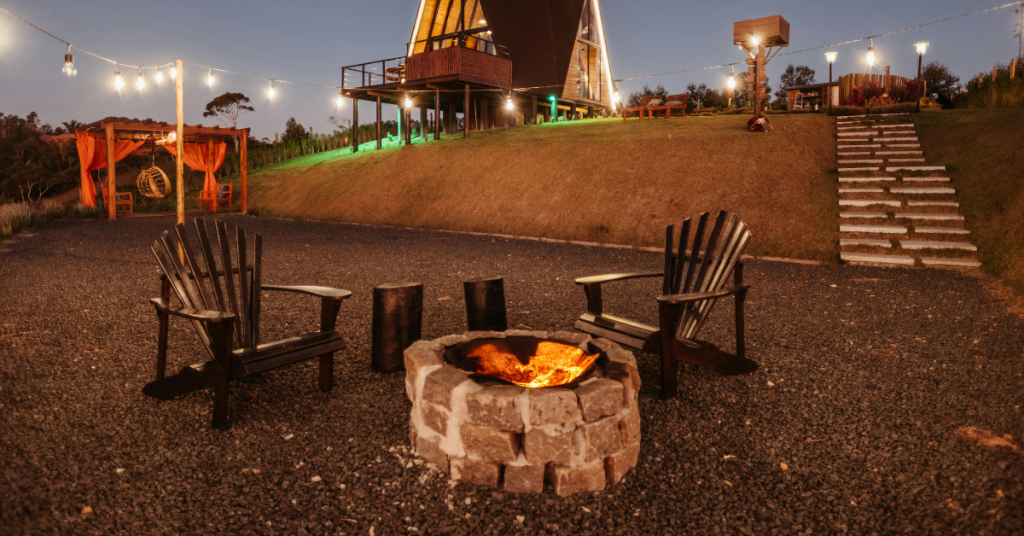
Outdoor spaces are becoming more than just lawns; they are extensions of the home where families gather and relax. Fire pits are at the heart of this trend, and about 64 percent of homeowners say a fire pit adds both appeal and functionality to their backyard.
A poorly planned fire pit, however, can feel cramped, unsafe, or out of place. Careful design ensures your fire pit becomes a central feature that is both beautiful and practical.
In this blog, Fire Pit Design Basics for Backyard Living, you will learn what makes a well-designed fire pit, the types available, material choices, ideal placement, and tips for creating a comfortable and safe outdoor gathering spot.
Key Takeaways
- Fire pit design balances function, safety, and aesthetics to create a space you’ll enjoy long term
- Choosing the right fire pit type depends on fuel preference, maintenance level, and budget
- Proper size, shape, and seating clearance are essential for comfort and safe use
- Fire-rated materials and smart placement improve durability and reduce safety risks
- Following local codes and safety guidelines helps ensure your fire pit is built to last
What Is Fire Pit Design?
Fire pit design is the planning of how a fire pit looks, works, and fits into your backyard. A well-designed fire pit feels natural in the space and is safe to use year after year.
Every good fire pit design balances three things:
- Function: How you plan to use it. Will you host groups, roast marshmallows, or just enjoy quiet evenings?
- Safety: Clearances, fire protection, and proper materials matter more than most people realize.
- Aesthetics: Shape, materials, and finishes should match your home and outdoor style.
Ignoring any one of these can lead to a fire pit that looks good but is unsafe or hard to enjoy.
Built-In vs. Portable Fire Pits
- Built-in fire pits are permanent structures made from stone, concrete, or brick. They look polished and add long-term value, but they require planning and sometimes permits.
- Portable fire pits are metal or prefabricated units that you can move. They are easier to install and often cost less, but they may not last as long.
Your choice depends on budget, space, and whether you want a permanent feature.
Types of Fire Pits for Backyards
Several fire pit styles work well for homeowners. The right one depends on fuel type, maintenance, and how hands-on you want to be.
Wood-Burning Fire Pits
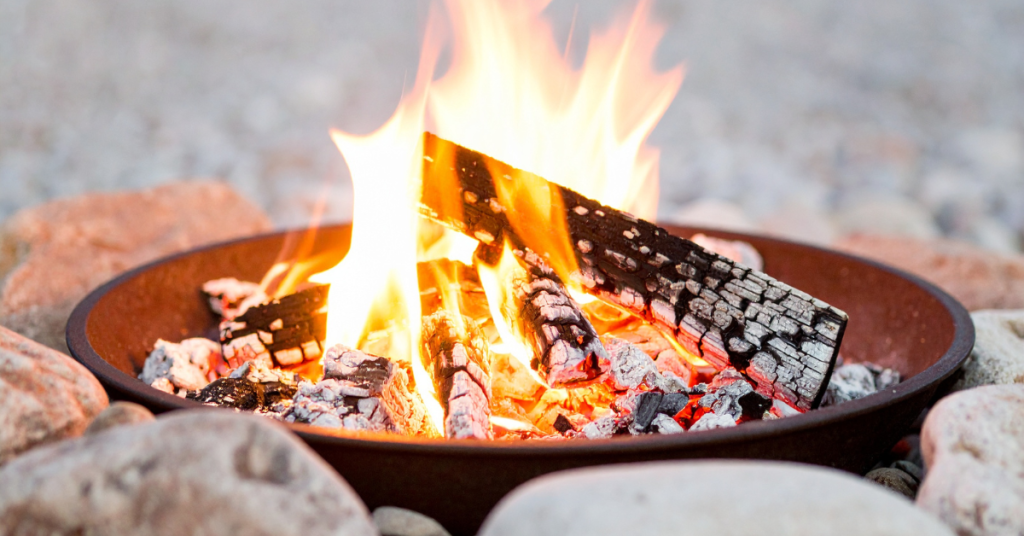
Wood-burning fire pits are a popular choice for homeowners who want that classic backyard fire experience. The natural flame, the warm glow, and the crackling sound of burning wood create a cozy atmosphere that’s hard to beat. These fire pits also give off strong heat, making them great for cooler evenings. Another big plus is the lower upfront cost compared to gas or propane options, which makes wood-burning pits an attractive option for many patios.
That said, wood-burning fire pits do come with a few drawbacks. Smoke is the most common complaint, especially when the wind shifts or the wood isn’t fully dry. Flying sparks can also be a concern, so it’s important to place the fire pit on a safe surface and keep it away from furniture or structures. In addition, you’ll need a dry place to store firewood, which can take up extra space in your yard or garage.
Maintenance is simple but important if you want your fire pit to last. After each use, allow the pit to cool completely and remove the ash to prevent buildup and moisture damage. At least once per season, inspect the fire pit for cracks or signs of wear, especially if it’s made of metal or masonry. With regular care and attention, a wood-burning fire pit can stay safe, effective, and enjoyable for years to come.
Gas and Propane Fire Pits
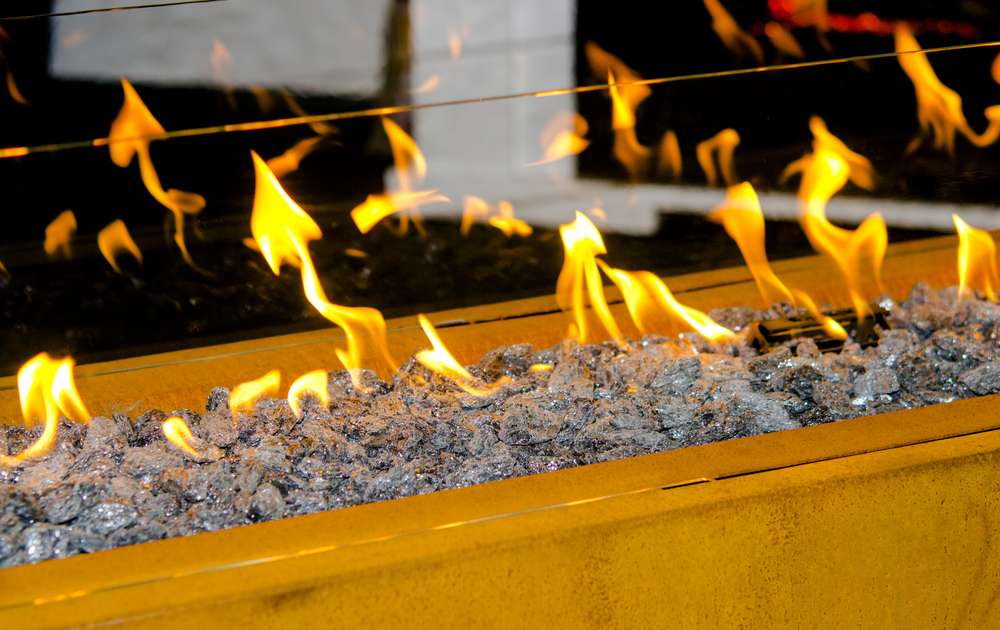
Gas and propane fire pits are a great option for homeowners who want convenience and a clean-burning flame. These fire pits produce little to no smoke, which makes them ideal for patios where smoke could be a problem. They are also very easy to use; most start with the push of a button and shut off just as quickly. Because there is no ash or soot, gas and propane fire pits are considered low maintenance compared to wood-burning options.
However, there are a few downsides to keep in mind. Gas and propane fire pits usually have a higher upfront cost, especially if a gas line needs to be installed. Propane models require a tank, which will need to be refilled or replaced over time. Some homeowners also feel that gas fire pits don’t offer the same traditional campfire look and sound as burning wood.
Proper setup is important for safety and performance. Gas fire pits should be installed or at least inspected by a professional to make sure all connections are secure and working correctly. This helps prevent leaks and ensures the fire pit runs efficiently. Once set up correctly, a gas or propane fire pit provides a reliable, easy-to-use heat source that fits well into a low-maintenance patio routine.
Comparison of Fire Pit Types
Wood-burning and gas fire pits each have their strengths, and the right choice depends on how you plan to use your fire pit and the experience you want.
| Feature | Wood-Burning Fire Pit | Gas / Propane Fire Pit |
|---|---|---|
| Performance | Burns hotter with a natural flame | Burns cleaner with steady heat |
| Convenience | Takes more time to start and clean | Starts instantly and is easy to use |
| Style | Rustic, traditional campfire look | Modern, clean, and polished look |
| Maintenance | Requires ash removal and regular cleaning | Minimal cleaning, no ash or soot |
| Ongoing Needs | Needs firewood storage and supply | Needs propane refills or a gas connection |
Choosing the Right Fire Pit Size and Shape
The size and shape of your fire pit should match your backyard and how many people you want to seat.
Fire Pit Shapes
- Round: Best for social seating and conversation.
- Square: Clean lines and modern look.
- Rectangular: Works well with long seating walls or patios.
Seating Clearance and Spacing
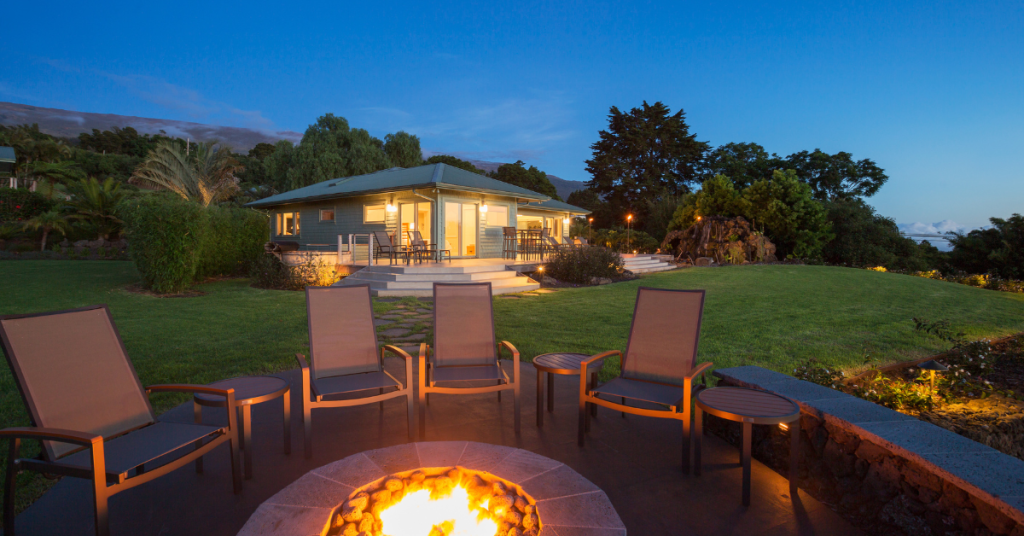
When planning seating around your fire pit, proper clearance and spacing are key for both comfort and safety. A good rule of thumb is to keep seating about 6 to 7 feet away from the edge of the fire pit. This distance allows people to feel the warmth without being overwhelmed by heat or exposed to sparks. It also gives everyone enough personal space to sit, relax, and enjoy the fire without feeling crowded.
Clear walking paths are just as important as seating placement. Make sure there is enough open space for people to move around the fire pit without stepping too close to the flames. Walkways should be wide and unobstructed so guests can safely pass behind seating or stand up without bumping into the fire pit or other people.
This spacing also helps reduce fire risk by keeping furniture, cushions, and clothing away from high heat. It creates a safer setup for kids and pets, who may not always be aware of how close they are to the fire. With the right clearance and seating layout, your fire pit area will feel more comfortable, welcoming, and safe for everyone.
Fire Pit Materials and Finishes
Materials affect how long your fire pit lasts and how it handles heat and weather.
Common Fire Pit Materials
- Stone: Natural look and very durable.
- Concrete: Custom shapes and modern finishes
- Metal: Lightweight and portable, but it can rust.
- Brick: Classic style with good heat resistance.
Heat Resistance and Durability Tips
Heat resistance and durability are important when it comes to keeping your fire pit safe and long-lasting. Always use fire-rated liners and materials that are designed to handle high temperatures. These materials help protect the structure of the fire pit and the surface beneath it from heat damage. Using the right materials from the start can prevent cracking, warping, and other costly repairs later on.
It’s also important to be careful with decorative elements. Some stones and rocks may look nice, but are not meant for high heat. When heated, they can crack or even explode, creating a serious safety risk. Stick with stones and accessories that are clearly labeled as fire-safe to keep your fire pit area both attractive and secure.
Make it a habit to check your fire pit for weather-related damage at least once per year. Rain, snow, and freezing temperatures can weaken materials over time. Look for cracks, rust, or loose parts and address any issues early. Regular inspections help ensure your fire pit stays durable, safe, and ready to enjoy season after season.
Backyard Fire Pit Ideas for Placement and Layout
Fire pit placement and layout matter just as much as the design, because the safest fire pit is the one with the right amount of space around it. In most backyards, you’ll want to keep your fire pit at least 10–20 feet from your home, fences, sheds, and anything else that could catch fire. It’s also smart to avoid spots under low tree branches or near dry bushes, mulch, or tall grass. Even if these are general guidelines, your city or neighborhood may have different rules, so always check local codes for the exact clearance you need.
Wind and airflow also play a big role in how comfortable and safe your fire pit feels. Try to place the fire pit so the smoke will blow away from your seating area instead of into it. Avoid tight corners between walls or fences where smoke can get trapped and linger. When your fire pit has good ventilation and airflow, it burns more evenly, creates less smoke, and is easier to enjoy.
Safety and Code Considerations
Fire pit safety starts with understanding and following local codes and regulations. Many cities and towns have specific rules that control where and how a fire pit can be used. These rules are in place to reduce fire hazards and protect homes, people, and nearby structures. Before building or installing a fire pit, it’s smart to check with your local city office or fire department to make sure your setup is allowed.
In some areas, you may need a building or fire permit before installing a fire pit. Local codes may also require the use of fire-rated materials that can handle high temperatures without cracking or failing. For wood-burning fire pits, spark screens are often required to help prevent embers from escaping and causing accidental fires. Taking these steps upfront can save you from fines, safety issues, or having to redo the project later.
Safety doesn’t stop with permits; it also includes daily use habits, especially when children and pets are around. Fire pits should always be supervised while in use, and extra precautions should be taken to keep curious hands and paws at a safe distance. Covers and spark guards add an extra layer of protection when the fire pit is not in use.
Fire Pit Safety Checklist
- Check local building and fire codes before installation
- Obtain required permits, if needed
- Use only fire-rated materials and liners
- Install spark screens on wood-burning fire pits
- Place the fire pit on a non-combustible surface
- Keep seating and furniture a safe distance away
- Never leave a fire pit burning unattended
- Fully extinguish the fire before leaving the area
- Use spark guards and covers when not in use
- Teach children to stay a safe distance from the fire
- Supervise children and pets at all times
- Keep pets away from hot surfaces and open flames
- Store fuel (wood or propane) safely and away from heat
Fire Pit Design FAQs
What is the best type of fire pit for a backyard?
The best type of fire pit depends on how you want to use it and how much maintenance you’re okay with. Wood-burning fire pits give you a classic campfire feel and strong heat, but they create smoke and need regular cleaning. Gas or propane fire pits are cleaner and easier to turn on and off, which makes them a great choice if you want quick, low-maintenance fires.
How big should a backyard fire pit be?
A common backyard fire pit size is 36 to 48 inches wide, which works well for most families and small groups. You should also plan for space around it, because seating usually needs to be 6 to 7 feet back for comfort and safety. If your yard is small, a smaller pit can still work, as long as you keep safe clearance from structures and plants.
What materials are best for fire pit design?
The best materials are the ones that can handle high heat and outdoor weather without cracking or wearing out too fast. Fire-rated stone, brick, and concrete are popular because they’re durable and can look very high-end in a backyard. If you choose metal, make sure it’s made for high heat and outdoor use, and plan on protecting it from rust over time.
Where should a fire pit be placed for safety?
Your fire pit should be placed on a stable, non-burnable surface and kept at a safe distance from anything that can catch fire. As a general guideline, keep it 10–20 feet away from houses, fences, sheds, and dry landscaping, but always check local rules for exact requirements. It also helps to place it where smoke will blow away from seating areas and where airflow is good, so the fire burns cleaner.
Do fire pits require permits or inspections?
In some areas, yes, especially for built-in fire pits or anything connected to a gas line. Rules can vary by city, county, HOA, or neighborhood, so it’s smart to check before you buy materials or start building. If a permit is required, it’s usually to make sure your fire pit meets clearance, fuel, and safety standards.
Outdoor Fire Pit Design Guide
Designing a fire pit for your backyard takes more than picking a style you like. From fuel type and materials to placement and safety rules, smart planning helps you create a fire pit that’s safe, durable, and enjoyable. When the basics are done right, your fire pit becomes a natural gathering place for years to come.
As a backyard contractor in College Station, we understand how important these fire pit design decisions are. Our team is here to guide you through the process and help you choose options that fit your space, lifestyle, and budget.
Ready to bring your backyard fire pit to life? Request a consult today to start planning a custom fire pit designed for lasting enjoyment.