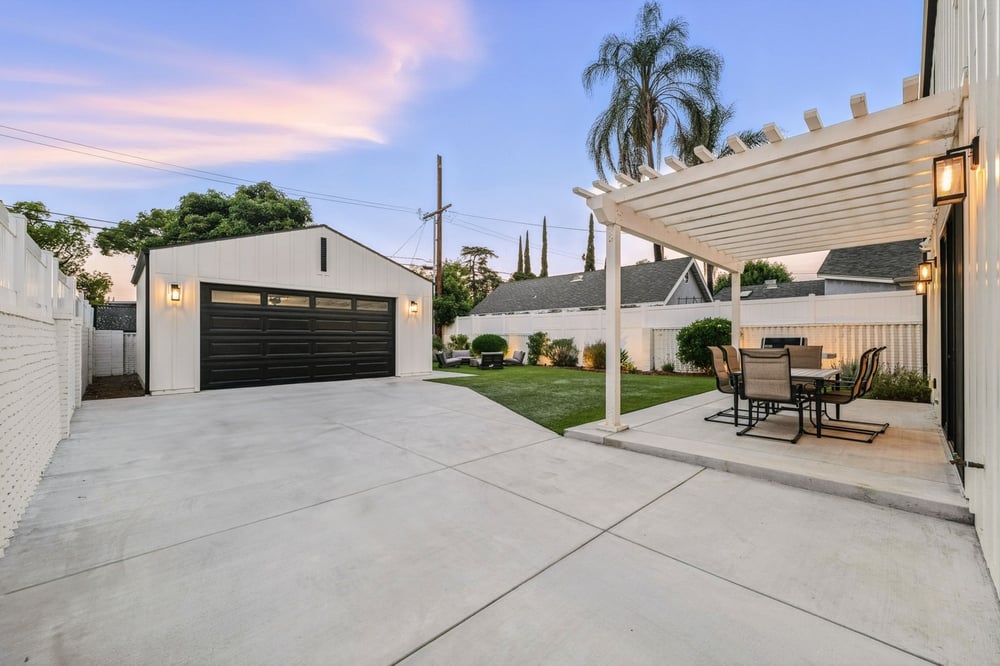
Imagine stepping out into your backyard and finding a stylish concrete patio, ready to host cozy family dinners or lively weekend barbecues. For homeowners in College Station, Texas, where the weather encourages outdoor living throughout much of the year, a concrete patio can enhance both the beauty and functionality of your property.
A well-built concrete patio provides a durable, low-maintenance outdoor space that complements your home’s exterior while creating the perfect setting for relaxation and entertainment. From planning and site preparation to pouring and finishing the concrete, each step plays an important role in creating a patio that will stand the test of time.
Key Takeaways
- Explore a variety of concrete patio ideas and design options to personalize your space
- Choose the right materials to complement your home and withstand College Station’s climate
- Gather essential tools and equipment to ensure a successful DIY project
- Prepare the site meticulously to lay a solid foundation for your concrete patio
- Implement regular maintenance tips to extend the life and beauty of your patio
Planning Your Concrete Patio: Ideas and Design Options
When planning a concrete patio, the possibilities are as vast as the Texas sky. From classic straight-edged designs to intricate shapes and patterns, the design stage sets the tone for your outdoor living space. As you embark on this project, consider how your patio will integrate into your backyard and lifestyle. A well-thought-out layout not only enhances aesthetic appeal but also maximizes functionality.
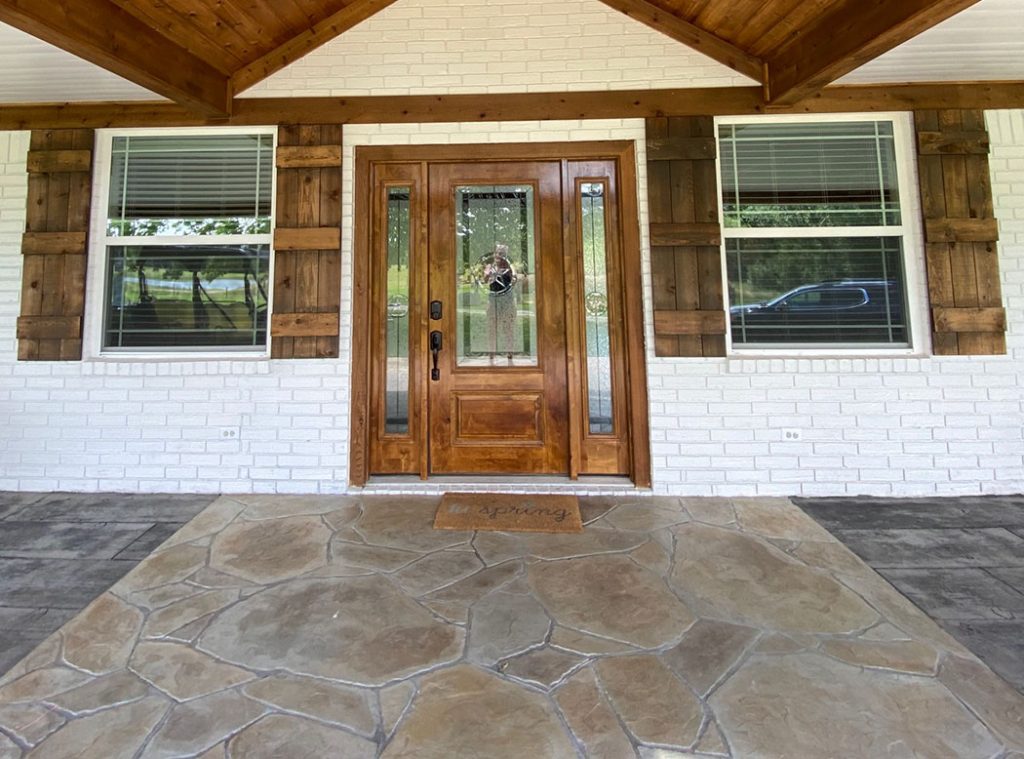
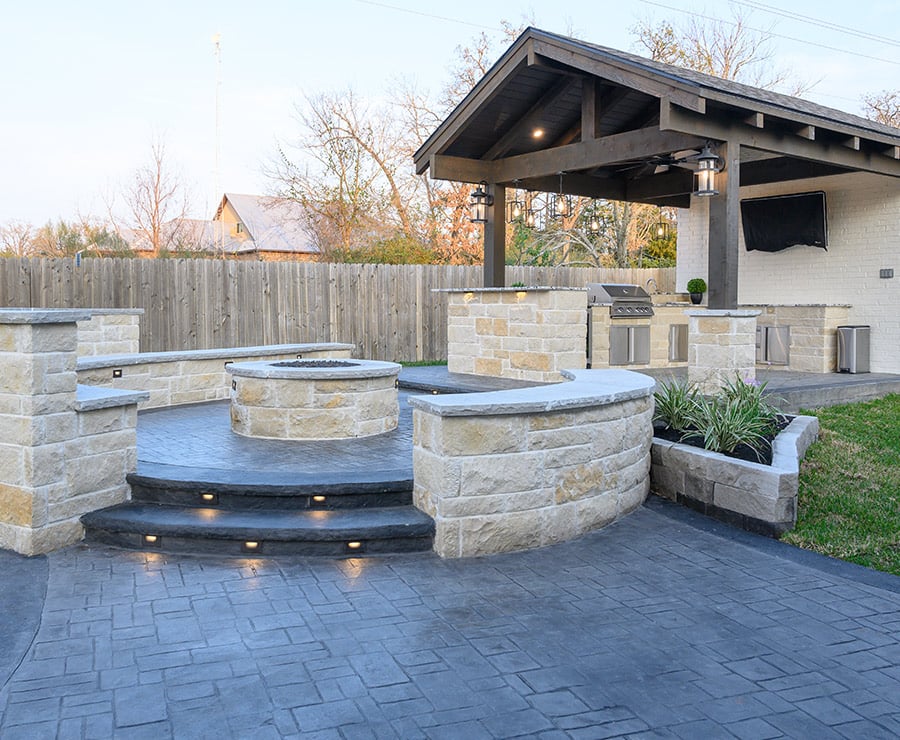
Exploring a variety of concrete patio ideas helps you envision how different design options can transform your backyard. Many homeowners opt for curves and unique shapes to break away from the mundane rectangular slabs. These designs add a touch of elegance and blend beautifully with natural landscapes. Incorporating decorative concrete or patterns can mimic the look of natural stone, offering a unique design without the hefty price tag.
A key consideration in your design process is the sun and shade patterns in your yard. By observing where the sun hits during different times of the day, you can plan a patio that stays cool and comfortable. Additionally, think about how friends and family will move between indoor and outdoor spaces. A patio that seamlessly connects with your home invites more gatherings and leisurely afternoons.
Neutral colors are a popular choice for concrete patios, as they offer a timeless look that complements various backyard designs. However, don’t shy away from experimenting with bold colors or textures if you’re aiming for a standout feature. Whether your inspiration comes from Mediterranean garden styles or contemporary outdoor lounges, your patio can reflect your personality and enhance your outdoor experience.
Choosing the Right Materials for Your Patio
The materials you choose for your patio will influence its appearance, durability, maintenance requirements, and overall cost. Understanding the benefits of each option can help you select a solution that aligns with your design preferences, budget, and long-term goals.
Some of the most common patio material options include:
- Standard Concrete – A durable, cost-effective material that provides a smooth, long-lasting surface suitable for a wide range of outdoor spaces.
- Stamped Concrete – Concrete that is textured and patterned to resemble materials such as stone, brick, slate, or wood while maintaining the strength of poured concrete.
- Colored Concrete – Concrete enhanced with pigments or stains to create a customized look that complements your home’s exterior and landscaping.
- Eco-Friendly Concrete Mixes – Sustainable concrete products that incorporate recycled materials or environmentally conscious manufacturing processes.
- Concrete Pavers – Individual concrete units available in various shapes, colors, and patterns, offering design flexibility and easy repairs if damage occurs.
- Concrete Slabs – Traditional poured concrete surfaces that provide a clean, seamless appearance and require minimal maintenance.
- Decorative Concrete Overlays – Thin layers applied over existing concrete to refresh the surface and mimic the appearance of natural stone, brick, or wood.
Before making a final decision, consider factors such as climate conditions, expected foot traffic, maintenance needs, and desired aesthetics. Consulting with a patio contractor can help you determine which materials will deliver the best performance and value for your outdoor living space.
Gathering Essential Tools and Equipment
Successful concrete patio construction depends on having the right tools and equipment available from the start. Professional contractors use specialized equipment to ensure accuracy, efficiency, and a high-quality finished product. From site preparation to finishing the concrete surface, each tool plays an important role in achieving long-lasting results.
Common tools and equipment used during the professional concrete patio process include:
- Excavation Equipment – Used to clear and prepare the site before construction begins.
- Compactors – Help create a stable, level base by compacting soil and gravel.
- Concrete Mixers – Ensure the concrete is mixed consistently for optimal strength and durability.
- Forms and Stakes – Define the patio’s shape and hold the concrete in place while it cures.
- Reinforcement Materials – Rebar or wire mesh helps strengthen the concrete and reduce the risk of cracking.
- Levels and Measuring Tools – Ensure proper grading, dimensions, and drainage throughout the project.
- Trowels and Finishing Tools – Create a smooth, attractive surface and add decorative finishes when desired.
- Safety Equipment – Gloves, eye protection, and other safety gear help protect workers on the job site.
Experienced contractors arrive with the tools, equipment, and expertise needed to complete the project efficiently and according to industry standards. Before construction begins, it’s a good idea to discuss the project scope, timeline, and installation process to ensure expectations are aligned and the patio is built to last.
Preparing the Site for Your Concrete Patio
Proper site preparation is essential for a durable and long-lasting concrete patio. Begin by marking the patio area with stakes and string, then remove grass, rocks, and debris to create a clean work surface. Next, level the ground and install a compacted gravel base to provide stability and support for the concrete.
It’s also important to plan for proper drainage by incorporating a slight slope or drainage system to prevent water from pooling on the patio. Finally, calculate the patio’s square footage to determine how much concrete and other materials you’ll need before construction begins.

Concrete Patio Maintenance Tips for Longevity
A concrete patio is a long-term investment, and proper maintenance can help it stay attractive and functional for many years. By following a few simple upkeep practices, you can protect the surface from damage, reduce repair costs, and extend the life of your outdoor living space.
| Maintenance Task | Why It Matters | Recommended Frequency |
| Regular Cleaning | Removes dirt, debris, and stains that can affect the appearance of the patio. | Monthly or as needed |
| Washing the Surface | A garden hose or pressure washer helps keep the concrete looking fresh and clean. | Every few months |
| Sealing the Concrete | Protects against moisture, UV rays, stains, and everyday wear. | Every 2–3 years |
| Inspecting for Cracks | Identifies small issues before they become larger, more expensive repairs. | Twice per year |
| Repairing Chips and Cracks | Maintains structural integrity and prevents further deterioration. | As needed |
| Removing Leaves and Debris | Prevents staining, moisture buildup, and surface discoloration. | Seasonally |
| Winter Weather Care | Reduces the risk of damage from freezing temperatures and ice accumulation. | During the winter months |
Consistent maintenance requires minimal effort but can significantly increase the lifespan of your concrete patio. Taking care of minor issues early and protecting the surface with routine cleaning and sealing will help ensure your patio remains a durable and enjoyable outdoor feature for years to come.
Concrete Patio FAQs
What materials are needed to build a concrete patio?
To build a concrete patio, you’ll need concrete mix, rebar or wire mesh for reinforcement, wooden forms to shape the patio, gravel for a base layer, and tools like a mixer, trowel, and level. A sealant for finishing touches is also recommended. Always ensure you have the right safety gear, like gloves and goggles, before starting your project.
How long does it take to construct a concrete patio?
The timeline for building a concrete patio depends on its size, design complexity, and weather conditions. Most residential patio projects can be completed within a few days, although the concrete will need additional time to cure properly. While light foot traffic is often possible after 24 to 48 hours, full curing can take up to 28 days. Planning for curing time is essential to achieve maximum strength and durability.
How much maintenance does a concrete patio require?
Concrete patios are relatively low-maintenance compared to many other outdoor surface materials. Regular sweeping, occasional washing, and periodic sealing help keep the surface looking its best and protect it from moisture, stains, and UV damage. It’s also important to inspect the patio for small cracks and repair them promptly. Consistent upkeep can significantly extend the lifespan of your patio.
Can a concrete patio be customized to match my home’s style?
Yes, concrete offers a wide range of customization options to complement virtually any home design. Homeowners can choose from stamped patterns, decorative finishes, stains, colors, and textured surfaces that mimic natural stone, brick, or wood. Borders and custom layouts can further enhance the appearance of the patio. These design options allow you to create a unique outdoor space that blends seamlessly with your property’s aesthetic.
Should I hire a professional to build my concrete patio?
Hiring a professional can help ensure your patio is properly designed, graded, reinforced, and finished for long-term performance. Experienced contractors have the equipment and expertise needed to avoid common issues such as uneven surfaces, drainage problems, and premature cracking. While a DIY approach may reduce upfront costs, professional installation often provides greater durability and peace of mind. For larger or more complex patio projects, working with a contractor is typically the best investment.
How to Construct a Concrete Patio for Lasting Outdoor Enjoyment
Building a concrete patio is an excellent way to enhance your outdoor living space while adding value and functionality to your property. From planning and site preparation to selecting materials, pouring concrete, and maintaining the finished surface, each step plays an important role in creating a patio that stands the test of time. With the right approach, you can enjoy a durable and attractive outdoor area for years to come.
As a patio contractor serving College Station, TX, we understand the unique challenges posed by local weather and soil conditions during patio construction. Our team specializes in creating custom outdoor living spaces designed to meet the needs of homeowners throughout the area.
Ready to transform your backyard with a custom concrete patio? Request a consult today and discover how professional patio installation can bring your outdoor vision to life.