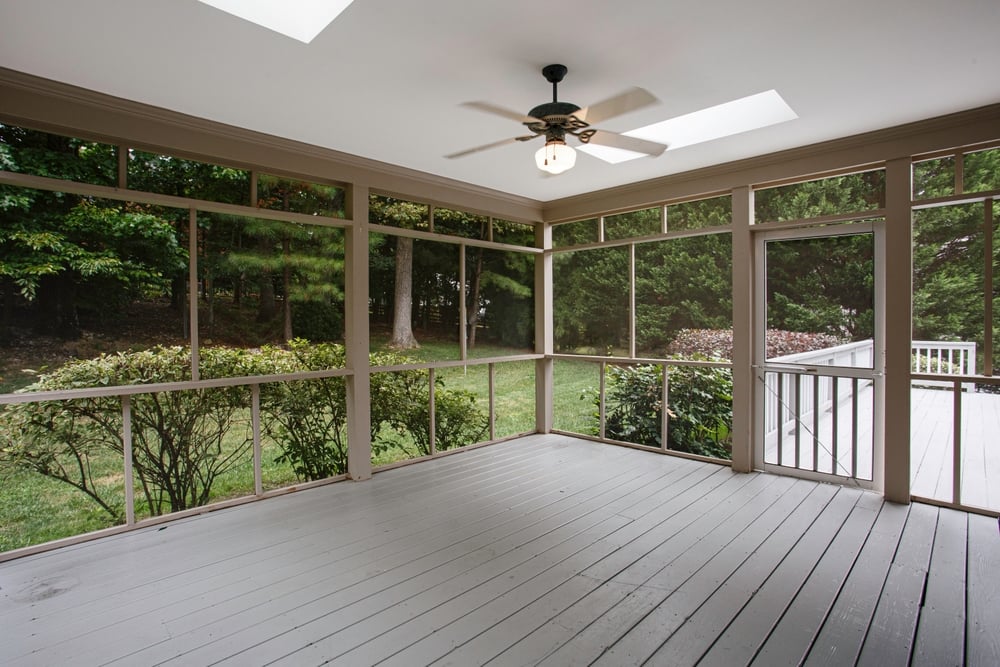
Imagine sipping your morning coffee on your porch while staying comfortable no matter what the Texas weather brings. An enclosed porch creates a protected outdoor space where you can relax, gather with family, or enjoy a quiet afternoon year-round.
Enclosing your porch adds comfort, functionality, and value to your home. Whether you plan to tackle the project yourself or hire a professional, understanding the process can help you create a space that fits your needs and complements your lifestyle.
Key Takeaways
- Enclosing your porch can significantly increase your home’s usable living space
- A well-insulated porch enclosure can help reduce your energy bills
- Choosing the right materials is crucial for durability and weather resistance
- Planning the design of your porch enclosure should reflect your lifestyle and complement your home’s architecture
- Hiring a professional contractor can ensure the project meets local building codes and quality standards
Understanding the Benefits of Enclosing Your Porch
Your porch holds untapped potential. Enclosing it can turn this often-overlooked area into a versatile extension of your home. Not only does this improve functionality, but it also offers benefits that can enhance your daily life. From adding value to your property to creating a more comfortable place to relax, the advantages are easy to see.
First and foremost, enclosing your porch increases your home’s usable living space. This means more room for relaxation, entertainment, or even a workspace. Imagine turning your porch into a sunroom or a cozy reading nook. It becomes an inviting space where you can unwind or host guests, no matter the weather.
Speaking of weather, an enclosed porch offers protection from the elements. Texas weather can be unpredictable, with sudden rain showers and intense summer heat. An enclosure creates a barrier against these conditions, allowing you to enjoy your outdoor space year-round. It can also help reduce wear and tear on your porch materials over time.
Long-Term Value and Practical Benefits
An insulated porch enclosure can help lower energy costs. By reducing heat loss in winter and limiting heat gain in summer, your HVAC system does not have to work as hard. Over time, those savings can help offset part of the investment.
In addition to improving comfort and efficiency, enclosing your porch can add value to your home. A well-designed enclosure may increase resale appeal by giving future buyers more functional living space. It is an upgrade that can benefit both your everyday lifestyle and your property’s market value.
An enclosed porch also creates a safer place for children and pets. They can enjoy fresh air and natural light while staying within a protected area. This added security gives homeowners greater peace of mind.
Assessing Your Porch and Outdoor Space for Enclosure
Before you begin enclosing your porch, take time to evaluate the existing space. A thorough assessment will help guide decisions about design, materials, and construction requirements. Understanding your porch’s current condition can help you avoid costly surprises later in the project.
Start by examining your porch’s structural integrity. Look for signs of damage in the deck, foundation, and support beams. A strong structure is essential for supporting the added weight of walls, windows, and roofing materials. If you notice any concerns, make repairs before moving forward.
Next, consider the drainage around your porch. Proper water management helps prevent moisture damage and extends the life of your enclosure. Make sure water drains away from the structure, and consider adding gutters or downspouts if needed.
Planning for Utilities, Codes, and Layout
Evaluate any existing electrical or plumbing systems near the porch. These features can affect your design options and may influence plans for lighting, ceiling fans, heating, or outdoor kitchen elements. Understanding what is already in place can help you plan for upgrades or modifications.
Local building codes and permit requirements are another important consideration. Regulations may govern setback distances, structure height, and approved building materials. Reviewing these requirements early can help prevent delays and ensure your project meets local standards.
Finally, assess how the enclosure will fit within your outdoor living space. Consider the size of your yard, traffic flow, and how the new structure will connect with existing features. Take note of sun exposure, prevailing breezes, and seasonal weather patterns to help create a comfortable space that can be enjoyed throughout the year.
Choosing the Right Materials for Your Porch Enclosure
The materials you choose will affect your porch’s appearance, comfort, and long-term maintenance needs. Selecting quality materials can help create an enclosed space that looks great, performs well in Texas weather, and provides lasting value.
When comparing options, focus on durability, energy efficiency, maintenance requirements, and budget. The table below highlights some of the most important materials to consider for your porch enclosure.
| Material/Feature | Benefits | Considerations |
| Vinyl Framing | Low maintenance, resists moisture and pests, available in many colors | May have fewer customization options than wood |
| Aluminum Framing | Strong, durable, and weather-resistant | Can conduct heat more than other materials |
| Energy-Efficient Windows | Improves insulation, reduces energy costs, and increases comfort | Higher upfront cost but long-term savings |
| Low-E Glass | Helps block heat transfer and UV rays | Best paired with quality window systems |
| Insulated Flooring | Improves comfort and temperature control | Installation costs vary by material |
| Weather-Resistant Screens | Allows airflow while keeping out insects and debris | Not intended for full climate control |
Balancing Budget and Performance
Vinyl and aluminum remain popular choices because they offer durability with minimal upkeep. For homeowners who want year-round comfort, energy-efficient windows with low-E coatings and insulated glass can make a noticeable difference. Flooring also plays an important role in comfort. Options such as cork, laminate, or insulated flooring systems can help maintain a more consistent temperature throughout the year.
If you want fresh air without unwanted pests, weather-resistant screens are a practical addition. Modern screen materials are designed to withstand outdoor conditions while maintaining visibility and airflow. As you compare materials, look for options that balance durability, comfort, and appearance. Investing in quality materials upfront can help reduce maintenance costs and improve the long-term value of your porch enclosure.
Planning Your Porch Enclosure Design
Planning your porch design enclosure is your opportunity to create a space that fits your lifestyle and complements your home. A well-designed enclosure should be comfortable, functional, and visually connected to the rest of your property. Start by deciding how you plan to use the space. Whether it’s a relaxing retreat, entertainment area, home office, or multipurpose room, your goals will help shape the layout and design ideas.
Keep the design consistent with your home’s architecture by selecting matching materials, windows, and roofing elements. Incorporate a mix of natural and artificial lighting to create a welcoming atmosphere throughout the day and evening. Finally, choose patio furniture that supports your intended use and arrange it to promote comfort and easy movement. Make sure the enclosure connects naturally to your home’s existing layout, creating a seamless transition between indoor and outdoor living areas.
Hiring a Professional Contractor: What to Consider
Choosing the right contractor can make a significant difference in the success of your porch enclosure project. A qualified professional can help you navigate building codes, manage permits, maintain project timelines, and ensure quality workmanship from start to finish.
At H3 Outdoor Design & Construction, we believe homeowners deserve a clear and stress-free building experience. That’s why we encourage clients to work with contractors who provide detailed estimates, maintain open communication, and have a proven track record of delivering quality results. Before hiring a contractor, review references, read customer feedback, and make sure expectations regarding budget, design, and timelines are clearly outlined. Taking these steps can help ensure your porch enclosure is completed on time, on budget, and built to last.
Enclose Porch Questions
How do I close in an existing porch?
Closing in a porch begins with assessing its current structure. Adding walls with windows or screens is a common approach. You’ll need to install framing, then attach your chosen materials. Insulation and weatherproofing are crucial for year-round comfort. If you’re not confident in your DIY skills, consulting a professional can ensure the project is done correctly and safely.
What is the best material to enclose a porch?
The best material depends on your climate and budget. For a durable and insulated option, consider using vinyl or aluminum with glass windows. These materials offer good weather resistance and insulation. For a more natural look, wood with clear acrylic panels can add charm while providing protection. Each material has its pros and cons, so consider energy efficiency, maintenance, and aesthetics.
What are the best ways to enclose a porch for year-round use?
To enjoy your porch in every season, focus on insulation and weatherproofing. Double-pane windows and insulated walls help keep the space comfortable. Adding a heat source like an electric fireplace or space heater can provide warmth during colder months. Ceiling fans or portable air conditioning units can help during the summer. Proper sealing against drafts is essential for maintaining a consistent temperature year-round.
Do I need a permit to enclose my porch?
In many cases, yes. Enclosing a porch often changes the structure of your home, which may require permits and inspections from your local building department. Permit requirements vary by location, so it’s important to check local regulations before starting construction. Working with an experienced contractor can help ensure your project meets all applicable building codes.
How much does it cost to enclose a porch?
The cost of enclosing a porch depends on factors such as the size of the space, the materials used, and the features you choose to include. Basic porch screens are generally more affordable, while four-season rooms with insulated walls and energy-efficient windows require a larger investment. Additional upgrades like flooring, electrical work, heating, and cooling systems can also affect the final price. Getting a detailed estimate is the best way to understand the cost of your specific project.
Enclose Porch for Comfortable Year-Round Living
Enclosing your porch is a great way to create additional outdoor living space while improving comfort and functionality. By choosing the right design, materials, and features, you can enjoy a protected outdoor area that remains comfortable through every season. A well-planned porch enclosure can also add value to your home and enhance your overall outdoor living experience.
As an outdoor construction team in Bryan serving College Station and the surrounding Brazos Valley, we understand the unique challenges that come with creating comfortable outdoor living spaces in Texas. Our design-build approach helps homeowners create custom porch enclosures and outdoor spaces that fit their lifestyle, complement their home, and stay within their budget.
Ready to create a porch enclosure that you can enjoy year-round? Request a consult today to discuss your vision and explore the best options for your property.