Picture this: you’re lounging on your patio, a gentle breeze carrying the scent of blooming flowers, while the sun sets in the distance. Your outdoor space feels like an extension of your living room, seamlessly blending the comforts of home with the beauty of nature. Connecting your patio to your home can transform your outdoor area into a functional, inviting sanctuary. Whether you’re hosting friends or enjoying a quiet moment, integrating your patio with your home enhances both aesthetics and functionality.
Key Takeaways
- Sliding glass doors create a seamless connection between indoor and outdoor spaces
- Consistent flooring helps tie the patio and home together
- Multi-level patios make the most of your backyard space
- Fire pits add warmth and comfort to outdoor areas
- Plants help connect your patio’s design with your home’s interior
1. Creating a Seamless Transition with Sliding Glass Doors
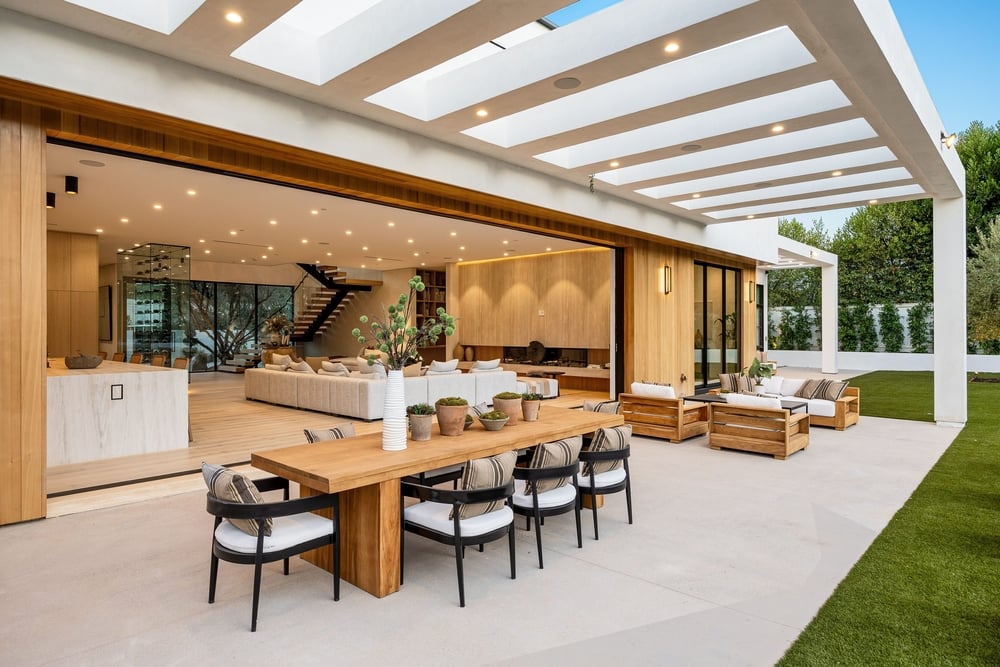
Sliding glass doors create a smooth connection between your home and patio. Their modern design adds style while making it easy to move between indoor and outdoor spaces. Large glass panels also bring in more natural light, making your home feel brighter and more open. Energy-efficient options can help maintain comfortable indoor temperatures, which is especially helpful in the Texas heat.
Beyond their appearance, sliding glass doors can add value and make your patio more functional. Whether you have a small patio or a large outdoor space, they are a practical way to create a more connected indoor-outdoor living area.
2. Blending Indoor and Outdoor Spaces with Consistent Flooring
Consistent flooring can help create a smooth connection between your home and patio. Using similar colors, textures, or materials makes both spaces feel more connected and can make your living area appear larger.
Porcelain tile is one option that offers durability while complementing many indoor styles. Matching flooring can also simplify cleaning and maintenance by creating a more consistent surface throughout the space.
With the right flooring choices, your patio can feel like a natural extension of your home’s interior while creating a cohesive, intentional design.
3. Maximizing Your Backyard with Multi-Level Patio Ideas
Multi-level patio designs can make better use of your backyard while creating separate areas for dining, relaxing, and entertaining. They are especially useful for sloped, narrow, or oddly shaped yards where a traditional patio may not make the best use of the available space.
| Patio Level | Best Use | Design Idea |
| Upper Level | Dining | Add a table and chairs for outdoor meals |
| Middle Level | Lounging | Create a comfortable seating area |
| Lower Level | Entertainment | Add a fire pit, games, or extra seating |
| Green Space | Relaxing or Play | Include grass, plants, or a garden |
Using different materials, colors, or furniture can help define each level while keeping the overall design connected. With thoughtful planning, a multi-level patio can add visual interest while making your backyard more functional and inviting.
4. Enhancing Your Outdoor Patio with a Cozy Fire Pit
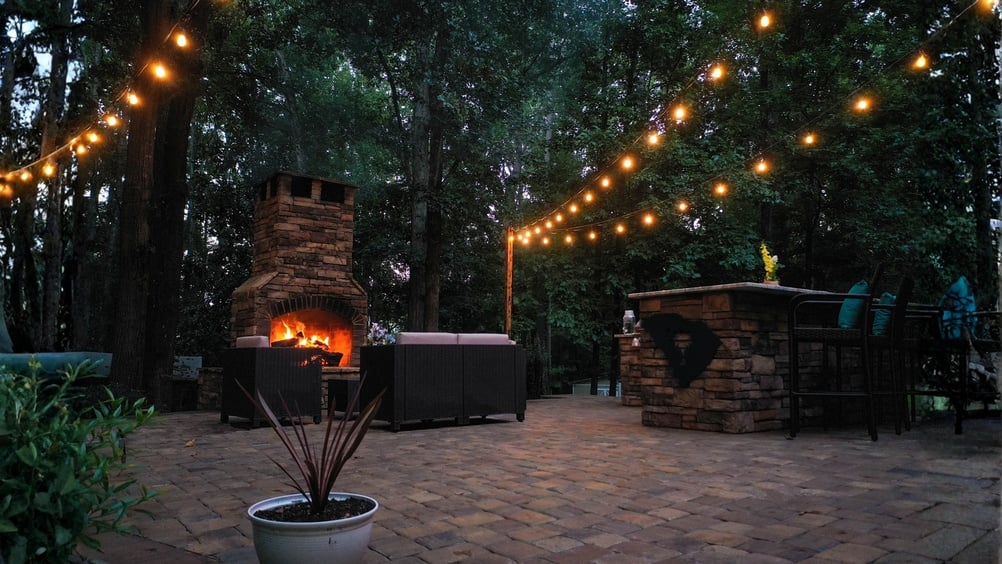
A cozy fire pit can turn your patio into a comfortable gathering space for family and friends. It adds warmth, creates a natural focal point, and allows you to enjoy your outdoor space well into the cooler months. Fire pits are available in a variety of styles, materials, and designs, making it easy to complement your home’s overall look. From natural stone to sleek modern finishes, the right design can blend seamlessly with your patio.
Because fire pits require careful planning and proper placement, working with a specialized outdoor living builder can help ensure the feature is designed and installed with safety and functionality in mind. A professional can also help integrate seating, lighting, and other patio features around the fire pit. With comfortable outdoor furniture and thoughtful design, a well-planned fire pit can become the centerpiece of your patio and create a welcoming space for relaxing and entertaining.
5. Using Plants to Integrate Your Patio with Your Home’s Interior
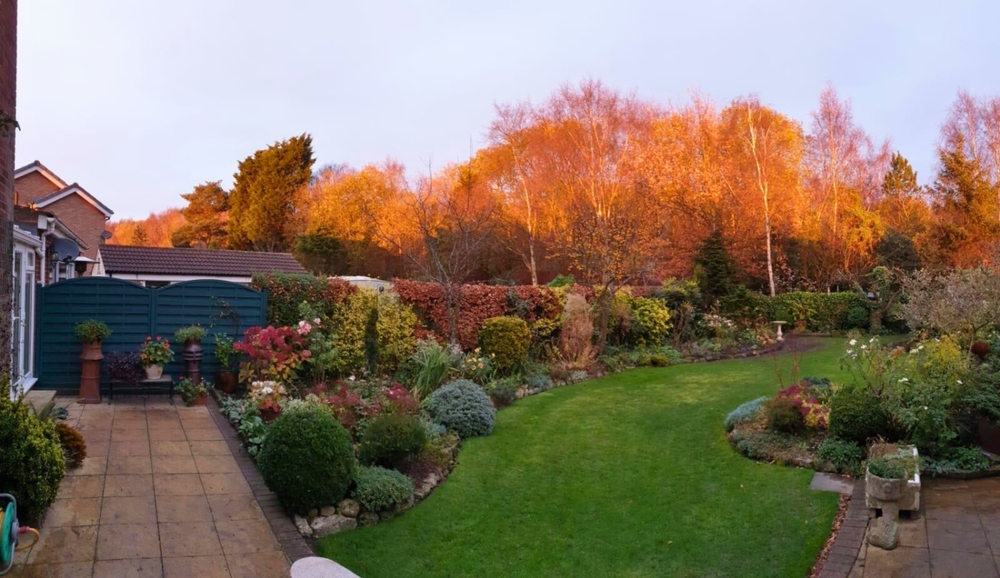
Plants are a natural bridge between indoor and outdoor spaces, adding life and color to your patio while harmonizing with your home’s interior. Carefully selected plants can transform your patio design, creating a seamless transition that feels intentional and cohesive.
Consider incorporating vertical gardens or potted plants to introduce greenery without overwhelming the space. These options allow you to add layers and depth, enhancing your patio’s visual appeal. Vertical gardens, in particular, are a fantastic solution for small spaces, offering a lush backdrop that doesn’t compromise floor space.
For homeowners in Bryan, Texas, native plants are an ideal choice. They thrive in the local climate, requiring minimal maintenance while ensuring longevity and beauty. Incorporating Texas flora, such as bluebonnets or sage, can add regional charm to your patio, making it feel uniquely yours.
Plants do more than beautify; they purify the air and introduce natural elements that promote a healthy environment. This integration of greenery into your outdoor space can enhance your lifestyle, providing a calming retreat that feels connected to nature.
Strategic plant placement can also enhance privacy on your patio, creating intimate areas that maintain an open feel. By positioning taller plants or trellised vines along the edges, you can create a sense of enclosure without blocking views or sunlight. This thoughtful approach to landscaping ensures your patio remains both inviting and private.
Home Patio Frequently Asked Questions
How do I design a patio layout?
Start by assessing the space and determining how you plan to use your patio. Consider factors such as seating, dining, and entertaining areas. Sketch a rough plan that includes furniture placement and pathways. Think about natural elements like sunlight and wind direction, and how they’ll impact your layout. Incorporate greenery or water features for ambiance. Don’t forget to ensure smooth transition from your home’s interior to the patio, enhancing flow and accessibility.
What are the latest patio design trends?
Modern patio trends emphasize sustainability and functionality. Think eco-friendly materials like bamboo or recycled wood. Multi-functional furniture that doubles as storage is popular, as are weather-resistant textiles. Outdoor kitchens and fire pits add both style and practicality. Biophilic designs, which integrate nature with architecture, are gaining traction. Incorporating smart technology for lighting and sound systems can enhance the experience, making outdoor spaces more inviting and versatile.
What are common patio design mistakes?
One frequent mistake is overcrowding the patio with too much furniture, which can make the space feel cramped. Ignoring the climate can lead to using unsuitable materials that wear quickly. Failing to plan for adequate lighting means the patio might not be usable in the evening. Overlooking privacy concerns and not considering the flow between indoor and outdoor spaces can also hinder functionality. Lastly, neglecting to include enough shade can make the patio uncomfortable on hot days.
What are the best patio designs?
The best designs seamlessly blend aesthetics with functionality. Think about incorporating a mix of seating options to accommodate various activities. Use a combination of hardscaping and softscaping for texture and interest. Designs that offer flexibility, like modular furniture, adapt to changing needs. Consider adding focal points like a water feature or a statement piece of art. Remember, the best designs complement the architecture of your home while reflecting your personal style.
What are the best ways to connect a patio to your home?
Enhance the connection with wide, sliding glass doors or French doors that open directly onto the patio. Use consistent flooring materials, like tiles, to create visual continuity. Consider a covered walkway or pergola for a seamless transition. Incorporate similar color schemes and decor elements in both spaces. An outdoor kitchen or bar adjacent to your indoor kitchen can enhance flow and functionality, making the transition between indoors and outdoors effortless.
Connecting Your Patio to Your Home
Connecting your patio to your home can create a more cohesive and functional outdoor living space. Features like sliding glass doors, consistent flooring, multi-level designs, and a well-planned fire pit can help create a seamless transition between indoor and outdoor areas.
As a specialized outdoor living builder in College Station, we help homeowners create patios that complement their homes and lifestyles. Our team brings experience in designing and building functional outdoor spaces that connect seamlessly with your home.
Ready to create a patio that feels like a natural extension of your home? Request a consult to discuss your outdoor living project and explore your options.