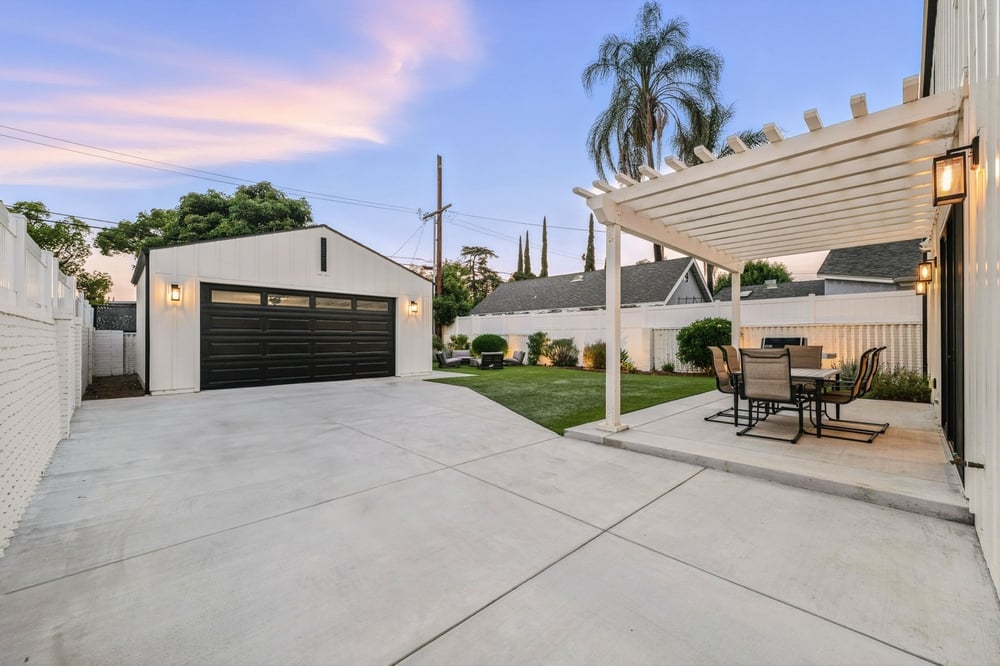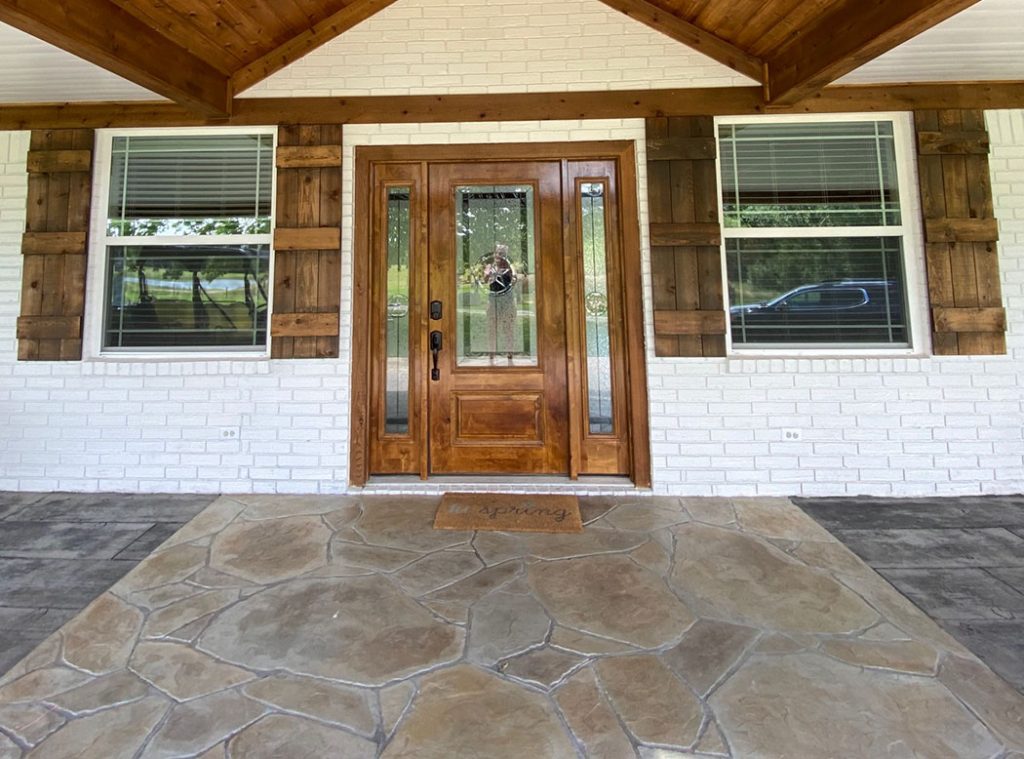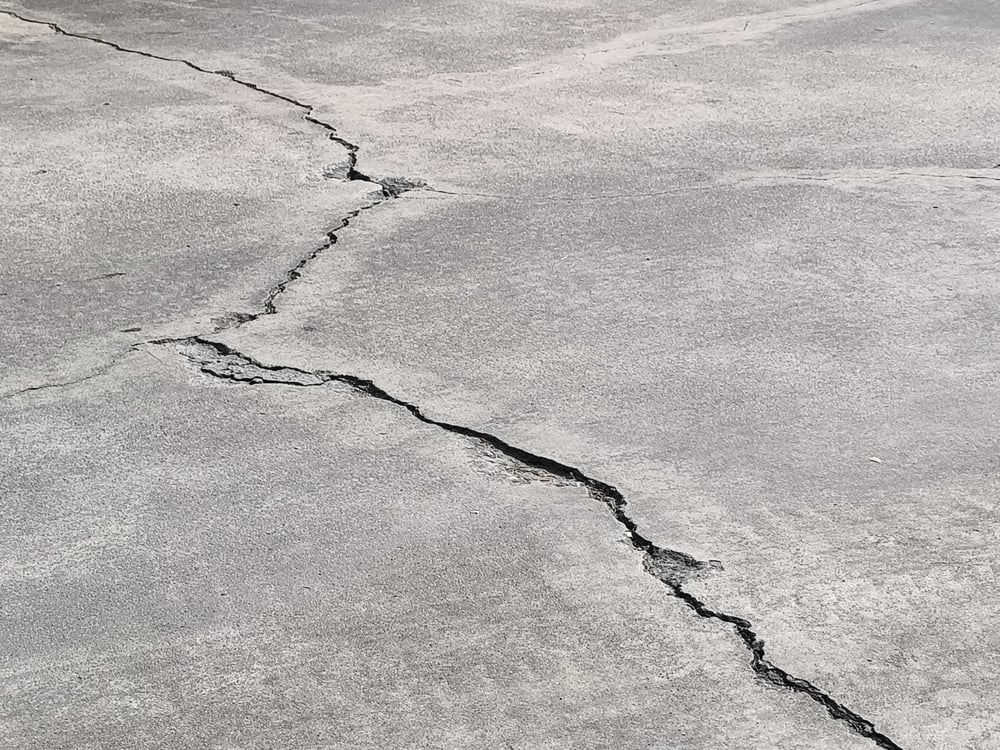
Outdoor concrete can crack due to changing weather conditions, soil movement, and improper installation. In Bryan, Texas, temperature changes and shifting soil can put stress on concrete driveways, patios, and walkways. Understanding the common causes of concrete cracks can help property owners prevent damage and keep their outdoor surfaces in good condition.
Key Takeaways
- Heavy loads and soil movement are primary culprits in causing driveway cracks
- Weather conditions, including freeze-thaw cycles, significantly impact concrete integrity
- Poor construction practices can lead to weak spots and structural cracks
- Preventative measures can reduce the risk of concrete cracking significantly
- Regular maintenance is key to early detection and repair of cracks
Common Reasons for Cracks in Concrete Driveways
Concrete driveways may seem durable, but they are not immune to the effects of nature and everyday use. In Bryan, Texas, heavy vehicles, expansive soils, and tree roots can all put stress on concrete surfaces. Over time, these factors can contribute to cracks and other signs of driveway damage.
Heavy Vehicles and Soil Movement
Heavy vehicles exert excessive pressure on concrete driveways, especially if the concrete wasn’t designed to handle such loads. This pressure can cause the concrete to crack, creating a pathway for further damage. Soil movement beneath the concrete also contributes to these unsightly cracks. In Bryan, Texas, where the soil can shift significantly due to changes in moisture content, this is a common problem. When the soil moves, it causes the concrete to settle unevenly, leading to foundation settlement and subsequent cracks.
Tree Roots and Freeze-Thaw Cycles
Tree roots, while vital for the health of your trees, can wreak havoc on your driveway. As these roots expand, they can disrupt the concrete surface, causing cracks to appear. In winter, freeze-thaw cycles can exacerbate the issue. Water that seeps into small cracks expands when it freezes, forcing the cracks to widen. The repeated expansion and contraction of water within the concrete can eventually lead to significant damage.
Water Infiltration and Rapid Drying
Water infiltration is another key player in weakening concrete. When water penetrates the concrete, it can lead to shrinkage and rapid drying, resulting in shrinkage cracks. These hairline cracks may seem harmless at first, but they can expand over time, especially if left unattended. Rapid drying during the curing process also contributes to cracking. When a slab cures too quickly, it doesn’t have the chance to develop the strength it needs, making it more susceptible to damage.
How Weather Conditions Affect Concrete Cracks
Weather conditions in Bryan can be as unpredictable as a summer thunderstorm. These fluctuations can have a dramatic impact on concrete, causing it to crack and deteriorate over time. Understanding how the weather affects concrete can help you take preventative measures to protect your investment.
Temperature Fluctuations and Excessive Heat
Temperature fluctuations are notorious for causing concrete to expand and contract, leading to temperature fluctuations and slab cracks. In the scorching Texas heat, excessive temperatures can lead to rapid drying, making the concrete brittle and prone to cracking. This is especially true if the concrete wasn’t mixed correctly or if it wasn’t allowed to cure properly.
Heavy Rainfall and Cold Weather
Heavy rainfall can lead to water pooling on the concrete surface, increasing the likelihood of cracks. Water infiltration during rainy seasons can weaken the concrete, causing it to crack under pressure. Cold weather, on the other hand, exacerbates freeze-thaw cycles, creating new cracks as water freezes and expands. This cycle can be particularly damaging if the concrete isn’t sealed properly to prevent water ingress.
Humidity Levels and Concrete Integrity
Humidity levels can also influence the drying process of concrete. High humidity can slow down the drying process, affecting the integrity of the concrete. If the concrete doesn’t dry evenly, it can lead to surface and wall cracks. These cracks not only mar the appearance of your driveway but can also compromise its structural integrity over time.
Preventative Measures to Avoid Cracks in Concrete
Preventing cracks in concrete starts with proper installation and ongoing maintenance. While some cracking can happen naturally over time, taking the right precautions can help protect your concrete driveway from damage. Homeowners in Bryan, Texas, should pay particular attention to moisture, soil movement, and everyday wear. The following steps can help reduce the risk of cracks and extend the life of your concrete:
- Apply a Quality Sealant: A concrete sealant helps protect the surface from moisture, temperature changes, and other environmental factors that can cause damage over time. Reapplying sealant as recommended can help maintain this protection.
- Ensure Proper Drainage: Water that collects around or beneath a concrete driveway can weaken the soil and contribute to shifting or cracking. Make sure your property has proper drainage to direct water away from concrete surfaces.
- Use High-Quality Materials: The quality of the concrete mix plays an important role in its strength and durability. Using the correct materials and mix proportions helps create a stable surface that can handle regular use.
- Schedule Regular Inspections: Check your driveway for small cracks, uneven areas, and signs of water damage. Addressing these issues early can prevent them from becoming more extensive and expensive repairs.
- Avoid Excessive Weight: Heavy vehicles and equipment can place additional pressure on concrete surfaces, especially if the driveway was not designed to support that weight. Avoid parking oversized vehicles on areas that may not have enough support.
- Hire Experienced Concrete Professionals: Proper mixing, pouring, reinforcement, and curing are essential for a long-lasting driveway. At H3 Outdoor Design & Construction, our team understands the importance of proper preparation and installation. We focus on quality workmanship and attention to detail to create concrete surfaces that withstand everyday use and last for years.
Outdoor Concrete FAQs
What are the most common causes of outdoor concrete cracks?
Outdoor concrete can crack due to a variety of reasons. Common culprits include temperature fluctuations, which cause the concrete to expand and contract, leading to stress. Poor installation practices, such as inadequate curing or improper mixing, can also contribute. Additionally, heavy loads and shifting soil beneath the concrete can result in cracking over time. Proper installation and maintenance can help mitigate these causes.
Can hot weather cause concrete to crack?
Yes, hot weather can cause concrete to crack. When temperatures soar, concrete expands, and if it lacks room to do so, cracks can form. Additionally, hot conditions can lead to rapid drying, which may prevent the concrete from curing properly. To minimize this risk, it’s important to use appropriate curing techniques, such as keeping the surface moist and using curing compounds.
Are small cracks in outdoor concrete normal?
Small cracks in outdoor concrete are fairly common and often not a cause for concern. These are usually hairline cracks resulting from normal settling or minor temperature changes. However, it’s essential to monitor these cracks for growth. If they begin to widen or deepen, it may indicate a more serious issue that requires attention.
How can you prevent concrete from cracking?
Preventing concrete cracks starts with proper installation. Ensure the mix is correct, and the curing process is followed diligently. Use control joints to manage where cracks may occur. Additionally, keep the surface moist during the curing period, especially in hot or windy conditions. Regular maintenance, like sealing the concrete, can also help shield it from environmental stressors.
When should you repair cracks in a concrete patio?
It’s best to address cracks in a concrete patio promptly to prevent further damage. If a crack is wider than a quarter-inch or showing signs of spreading, consider repairing it soon. Timely repairs can prevent moisture from seeping in, which could lead to more significant issues like freeze-thaw damage or erosion beneath the concrete.
How to Prevent Outdoor Concrete from Cracking
Outdoor concrete can crack due to poor construction practices, soil movement, weather changes, and moisture. Using quality materials, preparing a stable foundation, ensuring proper curing, and maintaining good drainage can help prevent cracks and extend the life of concrete surfaces.
As a trusted concrete contractor in Bryan, we learn more about our team and our commitment to quality concrete work. We focus on proper installation and durable materials to help property owners maintain strong, long-lasting concrete surfaces.
Need help with your outdoor concrete project? Request a consult today to discuss your needs and get a quote for your concrete project.